


I will never forget the day a recruiter messaged me out of nowhere on LinkedIn. I had not applied for anything. I was not even actively job hunting. But she had seen my posts, read my profile, and decided I was worth reaching out to. That one message changed how I think about professional networking forever.

LinkedIn has over 900 million members now. It is not just a digital resume anymore — it is where deals happen, partnerships form, and careers get made. If you are still treating it like an online CV, you are leaving serious money and opportunities on the table.
Here is exactly how I built my personal brand from zero to getting inbound leads every week. No paid ads. No agency. Just consistent effort and a few smart moves.
Fix Your Profile Before You Post a Single Thing
Think of your LinkedIn profile as your storefront. If it looks sloppy, people will keep scrolling. I see this mistake constantly — brilliant professionals with profiles that look like they were thrown together in 2012.

Your headline is the big one. Do not just write “Marketing Manager at XYZ Corp.” That tells me what you do, not why I should care. Try something like: “Marketing Strategist | Helping SaaS Startups Scale to $1M ARR | Former Google Analyst.” See the difference? One is a label. The other is a value proposition.
Your banner image matters too. I designed mine in Canva in about 20 minutes. It shows my niche, my contact info, and a clean visual style. Your About section should read like a story, not a robot-generated biography. Start with a hook. Share what you have accomplished. End with how people can work with you.
Pick a Niche and Own It
I tried posting about everything at first. Leadership tips on Monday, crypto thoughts on Wednesday, cooking photos on Friday. Guess what? Nobody cared. My engagement was embarrassingly low.

Then I narrowed down to B2B sales strategy — one thing I actually knew inside out. Engagement tripled within a month. When you pick one lane and stay in it, the LinkedIn algorithm knows who to show your posts to. Your audience grows faster because you are not confusing anyone.
Create three content pillars under your niche. For me, it was cold outreach tactics, buyer psychology, and sales tool reviews. Every post fits one of those buckets. Simple. Focused. Effective.
Consistency Beats Virality Every Time
I posted three times a week for eight months before anything really popped. No overnight success. No viral moment. Just slow, steady growth. Then one post hit 50,000 views, and my follower count jumped by 2,000 in a week.
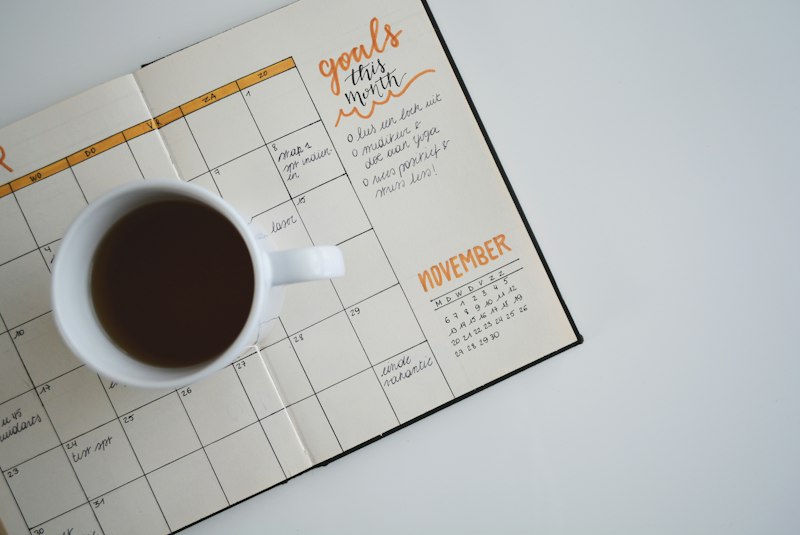
Here is the schedule that worked for me:
- Mondays: A motivational or mindset post. People need energy to start the week.
- Wednesdays: A carousel or document post with real tips. This is where I teach.
- Fridays: A personal story or behind-the-scenes insight. Human connection before the weekend.
I batch-create content on Sundays. Tools like Taplio or AuthoredUp let me schedule everything in advance. No more scrambling for ideas at 9 PM on a Tuesday.
Engagement Is Where the Magic Happens
Here is a secret most people miss: commenting on other people’s posts is often more valuable than posting your own. I spend 15 minutes every morning leaving thoughtful comments on posts from influencers and peers in my niche.

Not “Great post!” or “Love this!” Those are useless. I add a specific insight, ask a sharp follow-up question, or share a quick story that relates. When you comment early on a popular post, your profile gets seen by thousands of secondary connections. Some of them follow you. Some message you. Some become clients.
It is networking without the awkward conference room small talk. And it scales infinitely.
Articles and Newsletters Build Real Authority
I resisted LinkedIn articles for the longest time. “Who reads long posts on social media?” I thought. Turns out, a lot of people — especially decision-makers with buying power.

I repurpose blog posts into LinkedIn articles. I turn presentation slides into document posts. I even started a LinkedIn newsletter that goes out every two weeks. Subscribers get an email notification automatically. It is like building an email list without needing Mailchimp.
The trick is consistency. Pick a day — I chose the first and third Thursday of each month — and stick to it religiously. Your audience will start anticipating your content.
Track What Works and Ditch What Does Not
I am a data nerd, so this part is fun for me. But even if numbers make your eyes glaze over, you need to watch a few key metrics:

- Profile views — tells you if people are finding you
- Post impressions — shows how far your content travels
- Engagement rate — comments and shares divided by impressions
- Follower growth — the slow climb that matters long-term
- Inbound DMs — the ultimate signal that your brand is working
I review these monthly. If carousel posts consistently outperform text-only posts, I make more carousels. If Friday personal stories get triple the comments, I double down on storytelling. Data is not boring — it is a cheat sheet for what your audience wants.
Mistakes That Will Slow You Down
I have made every mistake in the book. Here are the ones that hurt most:
- Selling too hard: Nobody follows you to see daily sales pitches. Lead with value. The sales come later.
- Ignoring comments: I used to post and vanish. Big mistake. Replying to every comment boosts your reach and builds real relationships.
- Copying popular creators: I tried mimicking a famous sales influencer once. Crickets. When I started writing like myself, engagement jumped. Authenticity wins.
- Inconsistent visuals: My early posts looked like a different person made each one. Now I use the same fonts, colors, and photo filters. Recognition matters.
The Bottom Line
Building a personal brand on LinkedIn is not about being the smartest person in the room. It is about showing up consistently, sharing what you know, and treating people like humans instead of leads.
Start today. Update one section of your profile. Post one honest update. Comment on three posts in your niche. Do that for 90 days, and you will be shocked at what happens.
Stuff People Always Ask Me
How often should I post on LinkedIn?
Three to five times per week is ideal. Consistency matters more than posting every day. Quality content with engagement beats high volume with low interaction.
Do I need a premium LinkedIn account to build a personal brand?
No. A free account is sufficient for most beginners. Premium features like InMail and profile insights are helpful but not mandatory for building visibility.
How long does it take to build a recognizable personal brand?
Most professionals see noticeable results within six to twelve months of consistent posting and engagement. The key is showing up regularly, not seeking overnight fame.
What type of content performs best on LinkedIn?
Personal stories, contrarian opinions, and actionable advice tend to get the most engagement. Carousel posts and documents also perform well because they keep users on the platform longer.
Should I accept every connection request?
Be selective. Accept requests from people in your industry, potential clients, or those who send a personalized note. A large but irrelevant network dilutes your reach and visibility.