

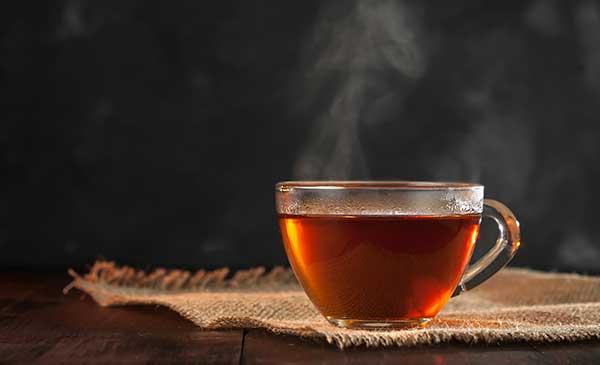
People who love making pulhia tea often tell me that this recipe for this is the one drink that always brings people together in my kitchen. Despite being straightforward, reassuring, and made from everyday ingredients, it always feels special. It is merely a warm cup that can be used daily.
I’ll talk about what pulhia tea is, how should make it at home, how it tastes, how to serve it, and some honest notes I’ve gotten from making it over and over. It is not a common drink; rather, it is the name of a recipe that can be made at home. Its inspiration comes from ingredients like ginger, spices, and tea leaves, which are well-documented in culinary and health books.
What Is a Pulhia Tea Recipe?
The story behind the recipe for pulhia tea as well as its cultural roots tea recipe is a homemade tea that is typically passed down through word of mouth. There are no written guidelines. There are no rigid guidelines. After seeing it once, you decide to own it. This is how the majority of people learn it. Many homes make use of its in quiet mornings, peaceful evenings, or when someone needs comfort.
Why the pulhia tea is loved in home kitchens?
Because it is simple and tolerant, people continue to make this tea. You can adjust the strength, the spices, and the sweetness without ruining it. It works for both hectic and leisurely days. According to nutrition, ginger tea may provide digestive comfort and other wellness benefits thanks to compounds such as ginger, which has antioxidant and anti-inflammatory properties.
Make a soothing milk-based homemade tea called Pulhia Tea by following the recipe.
Time taken: 10 minutes.
2 mugs of water 1 teaspoon of black tea leaves or herbal tea (for people who don’t want caffeine) 1 small piece fresh ginger (optional)
1 pinch each of cardamom or cinnamon (optional) Optional: 1 to 2 teaspoons honey or sugar (to taste) 1/4 cup milk or plant-based milk Cook Mode: Keep your screen from going dark Instructions bring the water to a gentle boil in a small saucepan.
Prep Time: 2 minutes
Cooking time is 8 minutes, and the beverage category uses the simmering technique. The cuisine is homemade traditional diet: vegetarian.
Nutrition
The cup has 25 calories, 3 grams of sugar, 10 milligrams of sodium, 1 gram of fat, 0.5 grams of saturated fat, 0.5 grams of unsaturated fat, 0 grams of trans fat, 4 grams of carbohydrates, 0.5 grams of fiber, 1 gram of protein, and 2 milligrams of cholesterol.
Basic Components of pulhia tea
The most common components of a traditional pulhia tea are as follows: water tea leaves or a herbal mixture One warming spice (cinnamon, ginger, or cardamom),
Plant-based or milk (optional) Sugar or honey, to taste,
Nothing difficult. supplemental ingredients that alter flavor and aroma You can gently change the flavor with:
Fresh ginger for a more potent flavor Cinnamon for warmth,
Cloves for depth,
Lemon peel for a light, fresh note,
A comforting pot of pulhia tea made with simple ingredients, gently simmering into a warm and aromatic drink.
A step-by-step guide to making authentic pulhia tea:
Bring water to a gentle boil. Add tea leaves or herbs.
Reduce the heat and add the spices.
Let it simmer a few minutes.
If desired, add milk.
Add sugar at the end.
Serve after straining.
Slow heat gives better flavor than rushing it.
How to avoid common errors when making pulhia tea
Too much heat (makes it bitter) introducing sugar too soon excessive use of spices at once when in doubt, keep it simple.
Here is how to make it: hot or cold. It is soothing, sweet, and silky. Suitable for use in the morning, evening, or after meals.
Pulhia tea should be served cold on warm days. Serve the tea over ice after letting it cool down. Cold pulhia tea tastes lighter and refreshing, especially with a touch of lemon.
Serving concepts: With the meal After eating, mid-afternoon, rather than coffee.
Recipe for Pulhia Tea: iced and hot tea served in a glass.
A comforting cup of tea, served hot or chilled, perfect for quiet mornings or relaxed afternoons.
Looking for a lighter beverage made with tea?
The White Tea Shot Recipe maintains simplicity and ease. The Health Benefits and Caffeine Content of Pulhia Tea Is there any caffeine in the recipe for tea, It is contingent on the base: Caffeine is present in green and black tea.
Herbal-only version, caffeine-free
Use only herbs if you are sensitive to caffeine.
Everyday wellness notes (simple & realistic)
Pulia tea isn’t medicine
Still, many people enjoy it because:
Warm liquids have a calming effect. After a meal, spices can be reassuring. It’s lighter than sugary drinks. Nothing outrageous. merely gentle routines.
If you prefer herbal blends, the Essiac Tea Recipe is another popular choice among tea drinkers.
The Ingredients’ Uses and Simple Science (Easy to Understand) Ingredients and Their Uses Ginger Ginger is frequently associated with comfort for digestion.
Caffeine Depends on tea base
Milk and sweetener result in a change in values. Precautions & Who Should Be Careful
If you have a sensitive stomach, avoid spices. If you are sensitive to caffeine, don’t drink strong tea at night. If you are pregnant or receiving medical treatment, spices shouldn’t be too strong. Listen to your body first.
No milk. Vegan
Use almond or oat milk. No-sugar
Skip sweetener or add a few drops of honey.
Spiced version
Add cinnamon + cardamom only.
Keep it balanced.
Heating, storing, and batch preparation Best fresh can be kept in the refrigerator for 24 hours. Reheat gently on the stove. Avoid reheating more than once
What Does Pulhia Tea Taste Like?
Pulhia tea tastes:
Warm mildly flavored Smooth Comforting,
Not sharp.
Not too heavy Just calm and familiar.
Pulhia Tea should be served in warm comforting tea in ceramic cup,
A simple cup of pulhia tea, with its warming and mild spices, can provide you with a moment of tranquility that you can truly savor. This tea Concentrate gives you a flavor profile that is richer and more intense if you like warm spices.
